
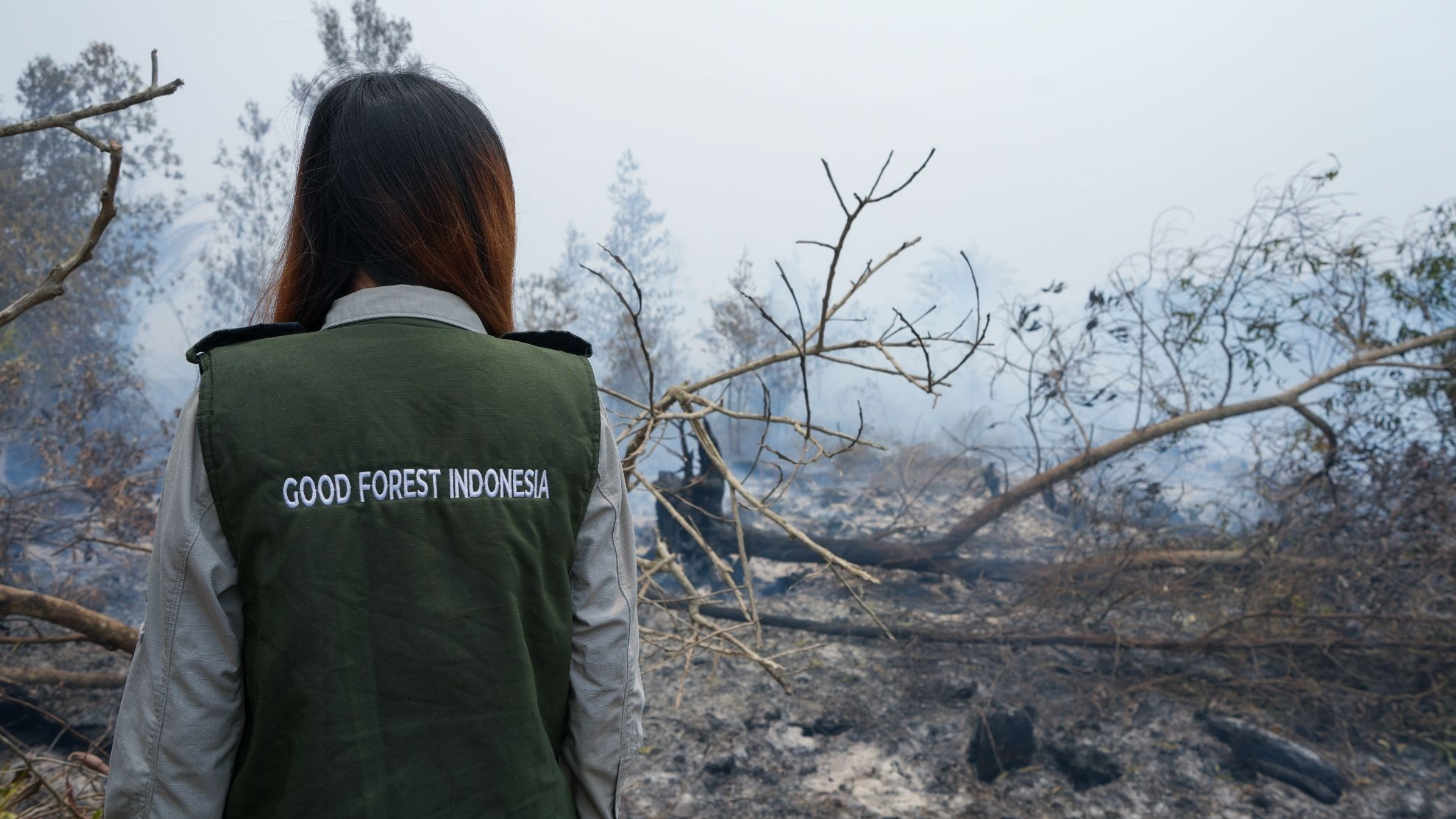
Since April, parts of Indonesia have been experiencing a prolonged dry season, leading to severe drought and worsening wildfires in Sumatra, Kalimantan, and Papua. As the dry conditions persist, soil loses moisture, water sources become increasingly scarce, and landscapes become more vulnerable to fire. This year, the dry season has become more than a seasonal transition. Its impacts are being felt across the environment, public health, and the livelihoods of communities who depend on the land.
Through our local partner Good Forest Indonesia (GFI), we see these challenges not only through the landscapes we work to restore, but also through the experiences of the farmers who care for them. Some of the land and trees we planted together with farmers have been affected by fires, leaving seedlings unable to survive. Prolonged drought is also affecting crop growth and threatening the productivity and quality of farmers’ harvests.
When Drought Changes Landscapes and Lives
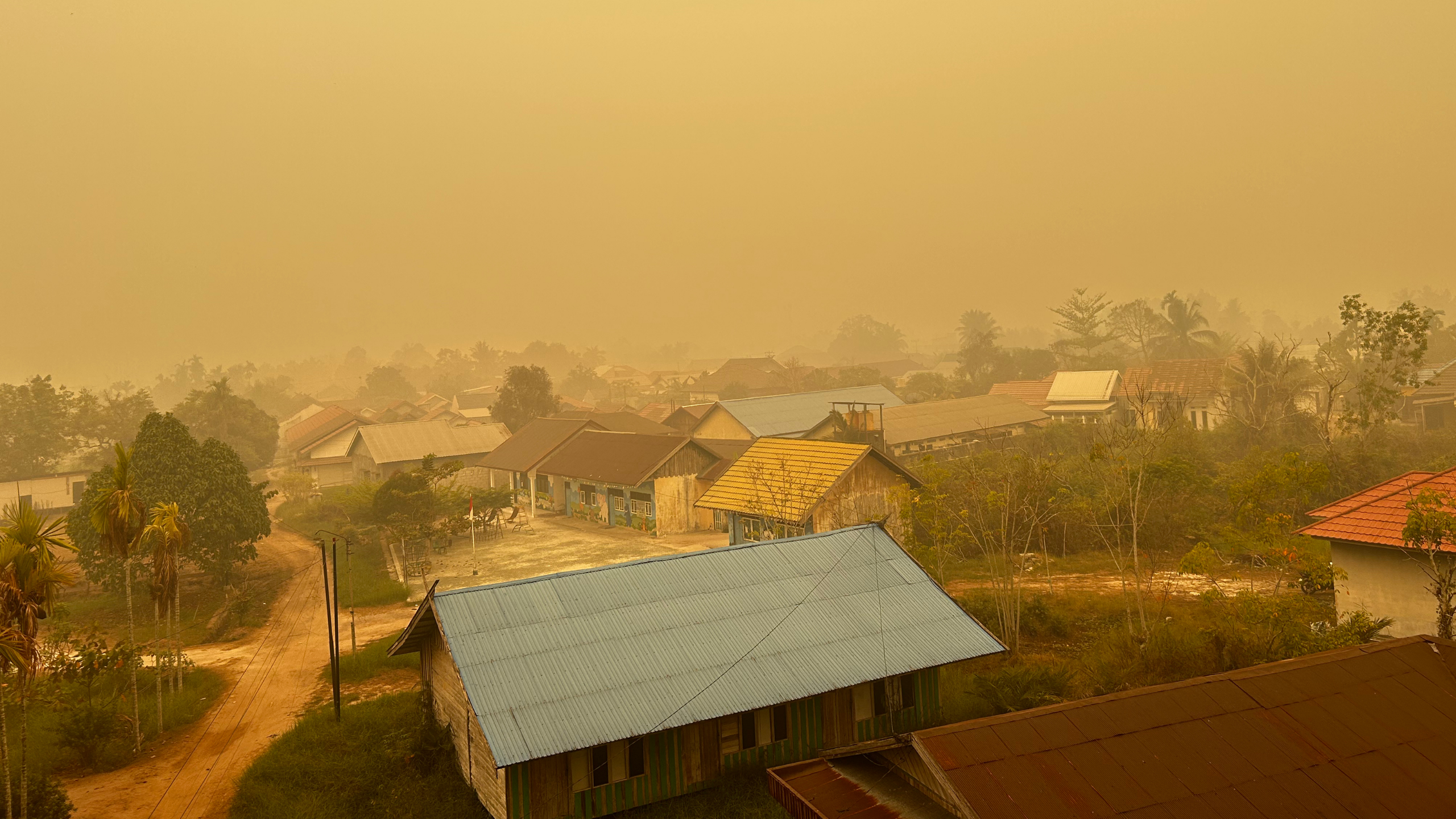
The three-month Drought Index Analysis issued by Indonesia’s Meteorology, Climatology, and Geophysical Agency (BMKG) in September 2026 showed conditions ranging from Normal to Very Dry across Central Kalimantan. In East Barito, one of GFI’s working areas, prolonged drought has caused water sources to become increasingly scarce. In Saing Village, based on local news, nearly 70% of residents’ wells reportedly dried up, limiting access to water for everyday needs. The haze from the fires is covering large areas. In Palangka Raya, the Government Health Office recorded more than 10,000 cases of acute respiratory infections during the period from early June to early October 2026. These figures demonstrate that wildfires are not merely an environmental issue.
How Drought and Wildfires Affect Farmers in Central Kalimantan
In GFI’s working areas, the impact of fires is already visible. In East Barito, cocoa farmers are also facing the consequences of prolonged drought. Water stress can disrupt flowering and fruit development, while insufficient water and other growing conditions can affect cocoa bean size and production. For farmers, these changes threaten not only the quality of their harvests but also the income they earn from them.
“The farmers’ trees are wilting and drying out. Cocoa bean production has declined, and there is even a possibility of crop failure during the main harvest at the end of this year. Farmers who would normally sell 500–1,000 kilograms may only be able to sell around 100–300 kilograms this year,” said Hepy, a member of GFI’s Cocoa Value Chain team who works closely with farmers in East Barito.
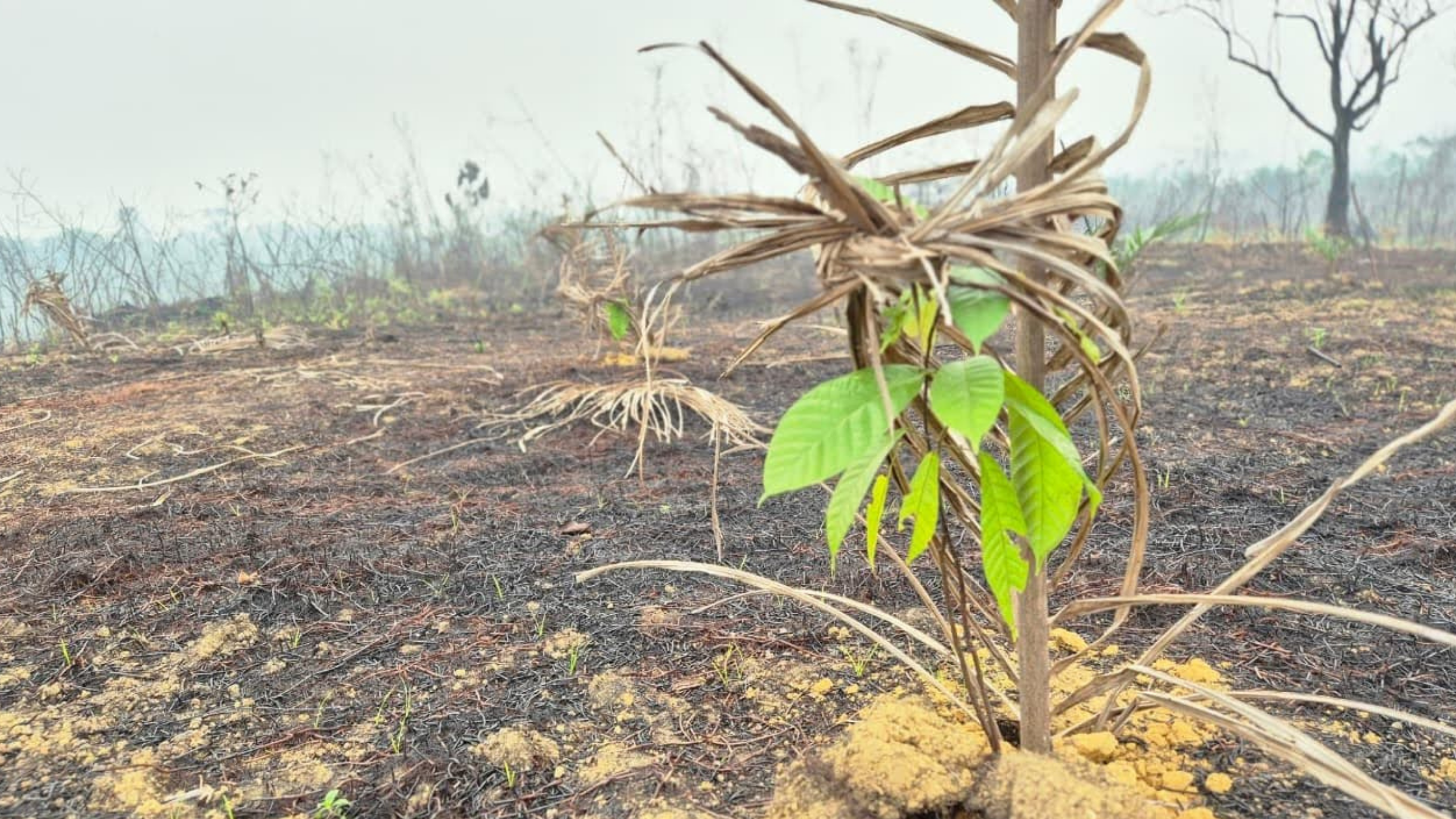
These experiences highlight a fundamental challenge in landscape restoration: planting trees is only the beginning. Their survival and the sustainability of farming livelihoods depend on ongoing care, environmental conditions, and the ability of farmers to adapt to changing circumstances.
Supporting Farmers During the Wildfires
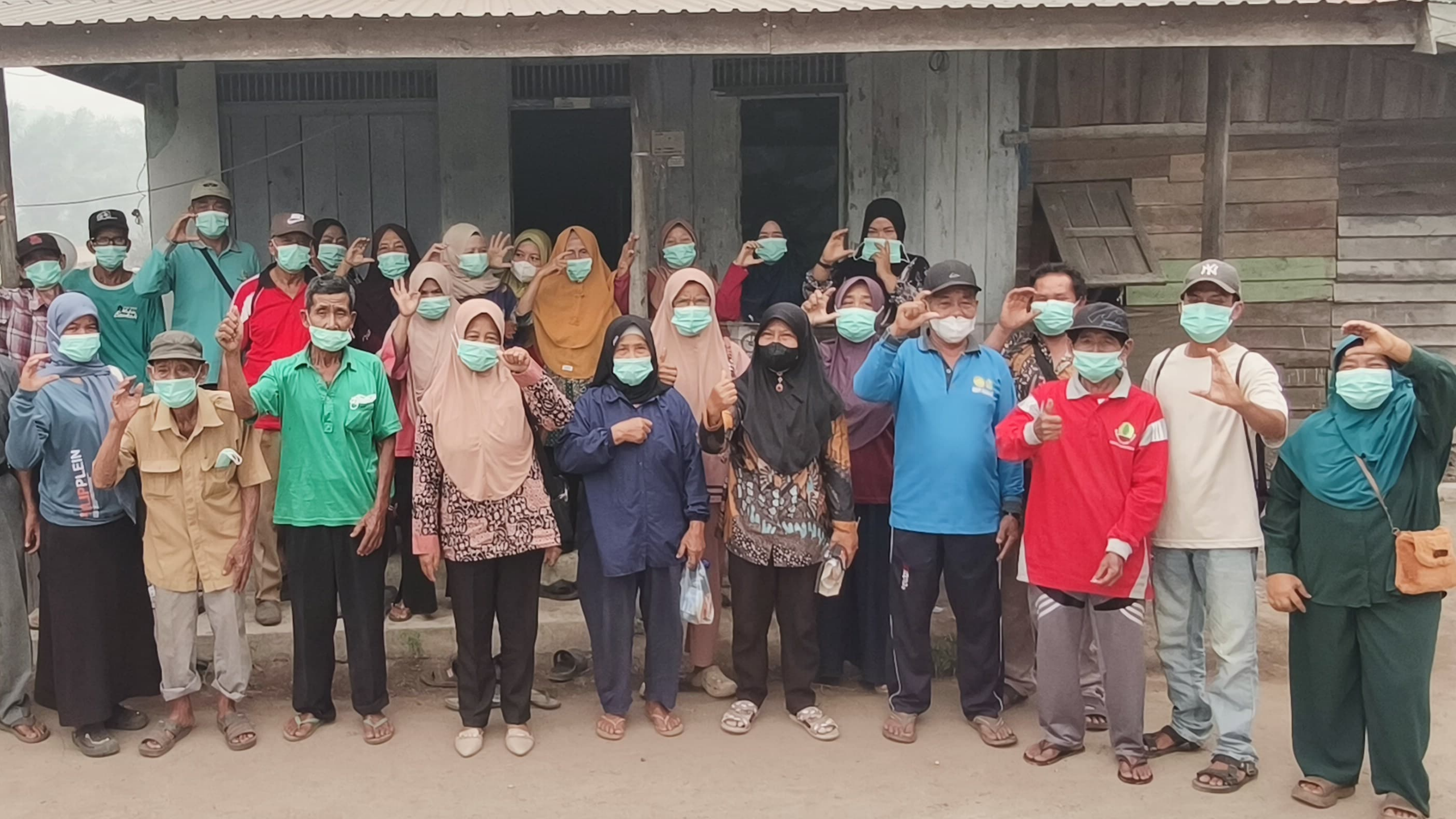
While the fires continue, our partner GFI is supporting farmers and local communities in addressing the immediate challenges they face. The response includes distributing masks to people exposed to smoke, providing smoke-free spaces with air purifiers for field teams and community members in need, and supplying oxygen to support initial emergency respiratory care through local health facilities.
Preparedness is equally important. When conditions allow, the field teams work alongside farmers to support initial fire response while prioritising the safety of everyone involved. GFI also provides basic firefighting equipment to strengthen community preparedness and conducts awareness sessions on fire prevention and safe initial response measures.
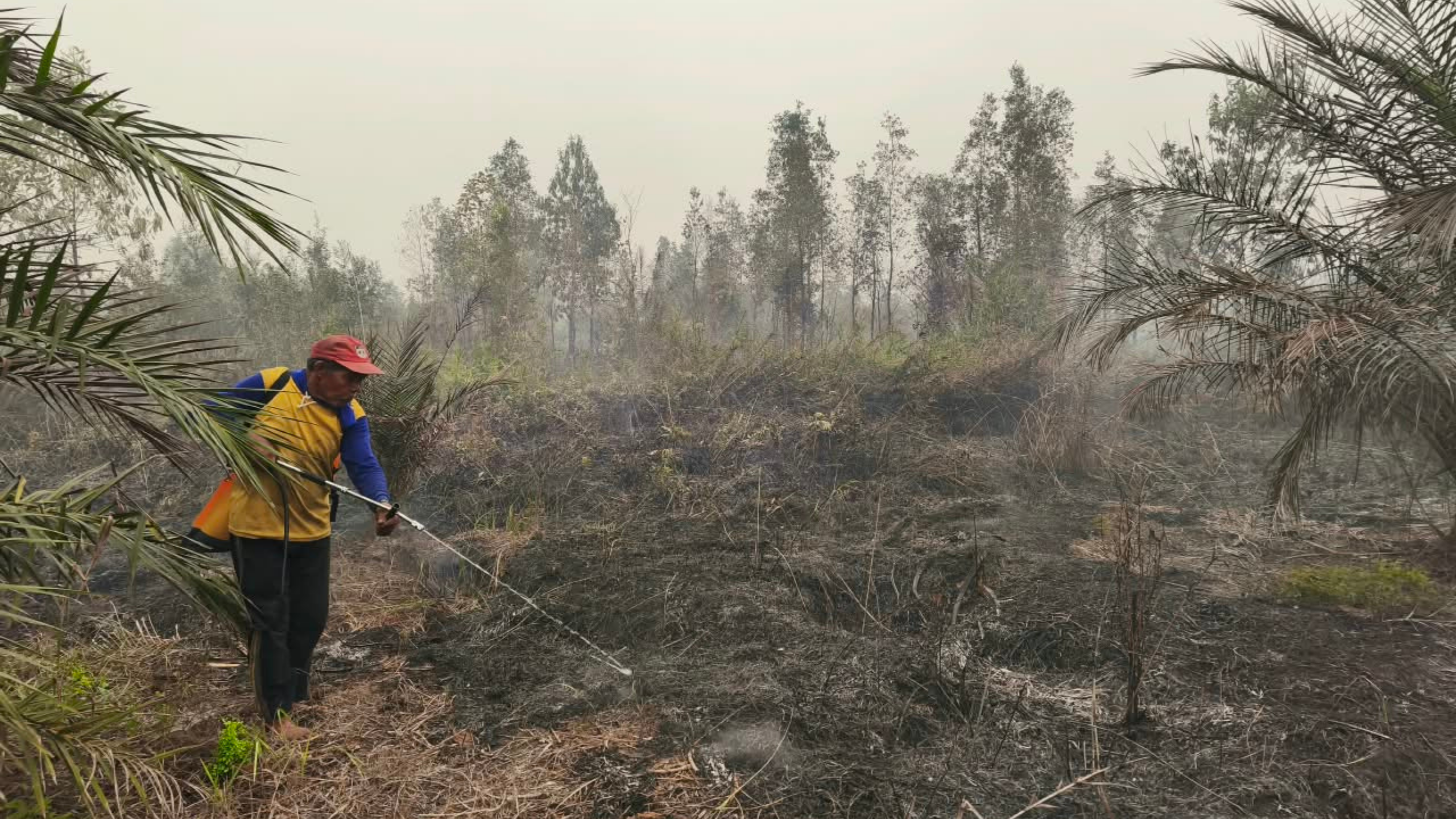
These efforts are intended to support communities, not replace professional firefighting and emergency services. When fires intensify or exceed the community’s ability to respond safely, coordination with the relevant authorities and emergency responders remains essential.
Beyond Planting Trees: Rethinking Landscape Restoration
This year’s dry season and wildfires are a reminder that restoration takes place amid uncertainty. No planting effort or maintenance practice can guarantee that a landscape will remain free from fires or drought.
GFI works alongside farmers beyond the initial planting stage through farmer mentoring, capacity-building, agroforestry practices, and tree growth monitoring. Agroforestry combines trees with selected crops, offering farmers different sources of agricultural production and income. Farmer mentoring helps strengthen the knowledge and practices needed to manage these systems, while tree monitoring allows us to follow tree growth over time.
While these efforts cannot eliminate every environmental risk, they contribute to the long-term restoration of landscapes and support the livelihoods of the people who depend on them.
The challenges facing Central Kalimantan are significant, and no single organisation can address them alone. Restoration requires continued commitment, collaboration, and an understanding that caring for a landscape is a process rather than a one-time intervention.
We are grateful to everyone who continues to support this journey.