
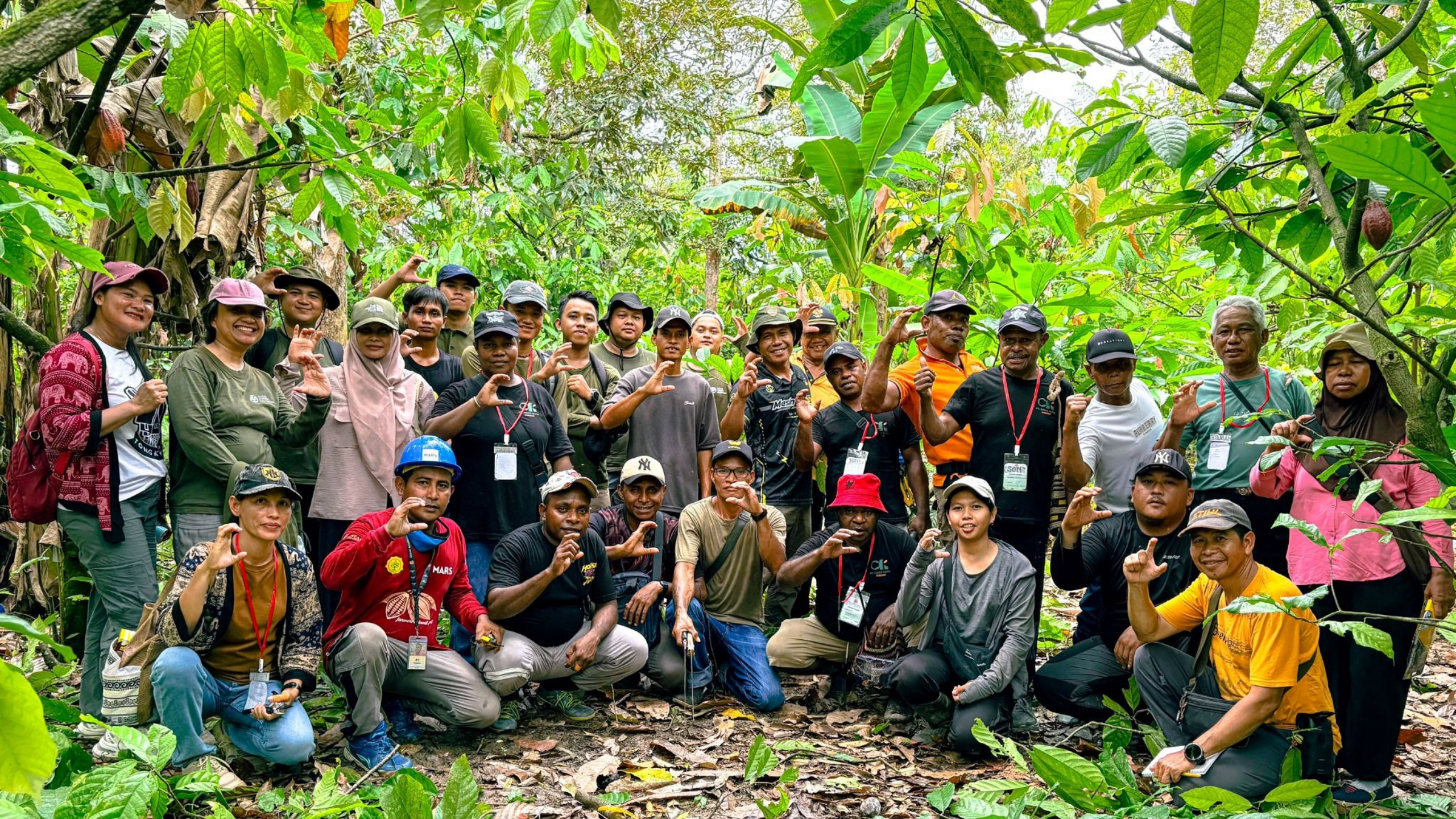
Sustainable agroforestry starts with knowledge. In Central Kalimantan, farmers are growing trees alongside crops such as jengkol, petai (both edible tree seeds) and cocoa. But for agroforestry systems to thrive over the long term, farmers need more than seedlings and planting advice. They need practical knowledge they can apply, adapt, and share. To ensure that agroforestry systems can thrive over the long term, farmers and field staff need access to continuous learning opportunities. That is why our partner Good Forest Indonesia (GFI) is investing in local knowledge and creating opportunities for continuous learning.
Sharing Knowledge, Strengthening Farmers and Field Staff
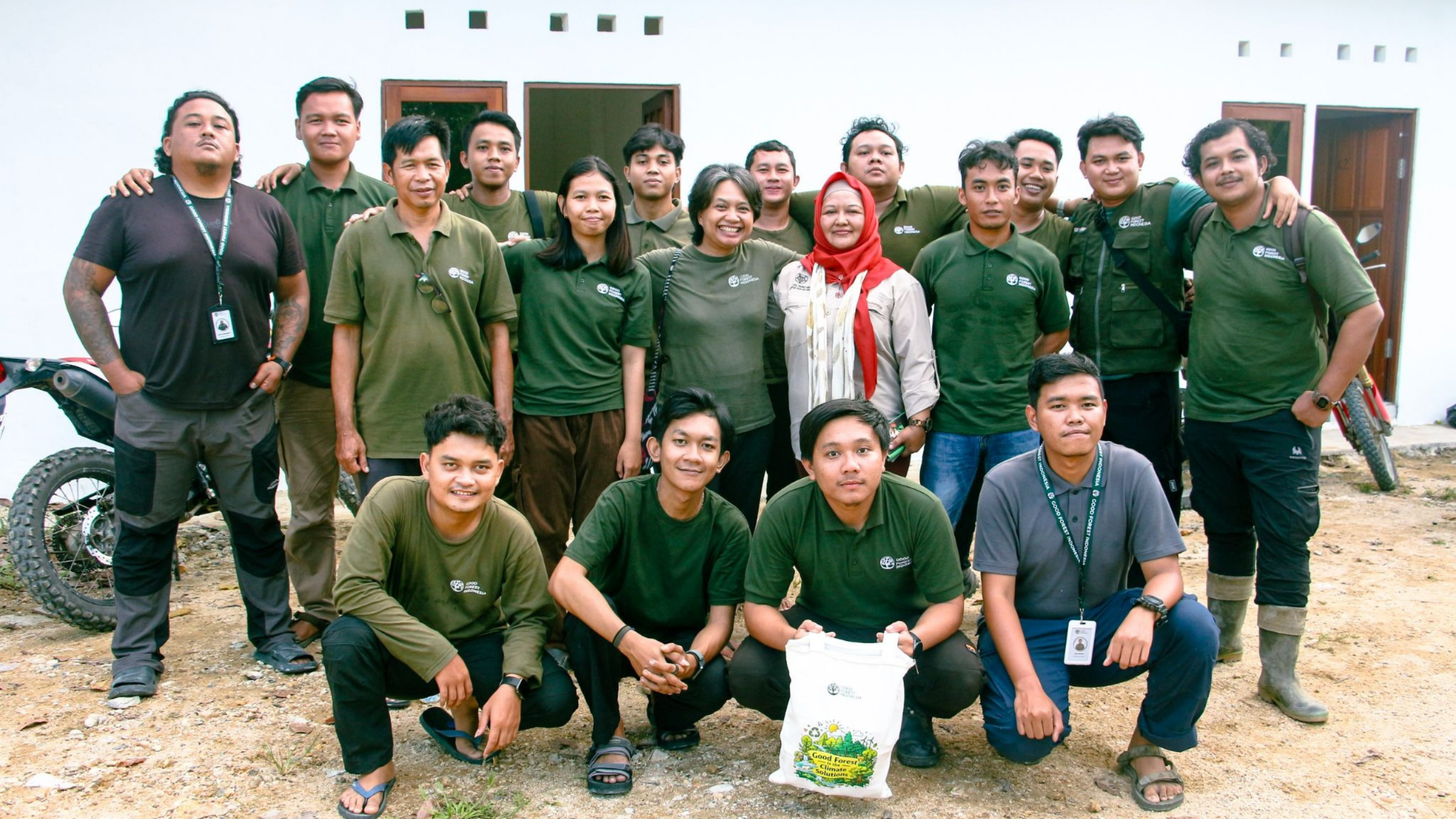
Field staff play an important role in supporting farmers throughout the restoration journey. As a bridge between GFI and local farmers, their technical knowledge is essential to ensure that the support they provide is based on accurate and applicable information.
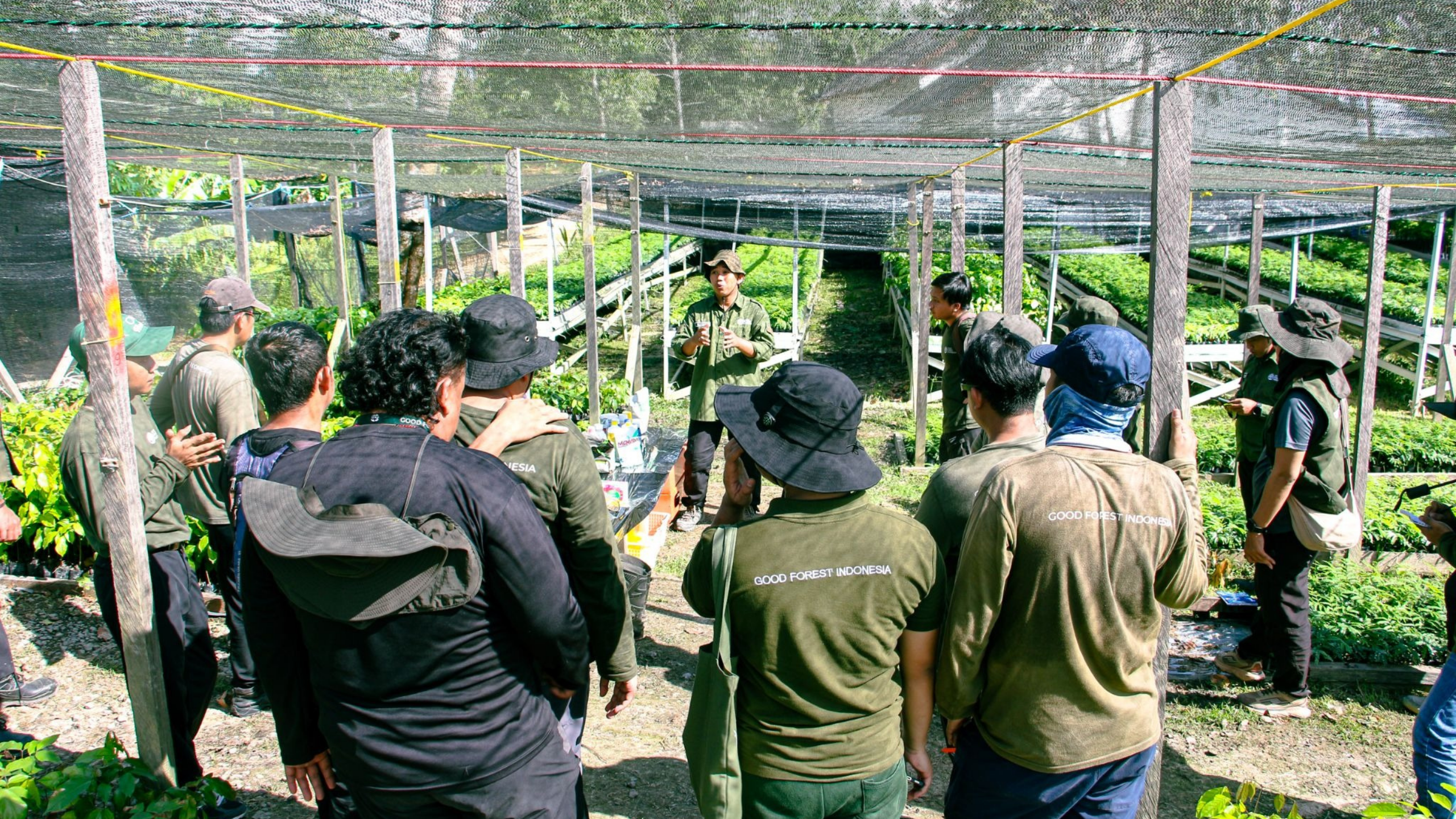
From late April to late July, GFI trained the field teams to improve their knowledge, enabling them to train the farmers well. The training included a session on jengkol and petai cultivation, led by an expert from Gadjah Mada University, as well as cocoa cultivation training through a learning visit to Mars Cocoa Academy in South Sulawesi, Indonesia.
In addition to field staff, the cocoa cultivation training also involved selected farmers.
“Training of Trainers” on Jengkol and Petai Cultivation
Through the “Training of Trainers”, field staff gained a deeper understanding of jengkol and petai cultivation and management techniques. Jengkol and petai are legume crops native to Southeast Asia, with high economic and socio-cultural value in Indonesia. Both commodities are popular food crops with relatively stable market prices, while also having the potential to provide ecological benefits by supporting soil fertility.
Although both crops are popular, cultivation and harvesting practices among local farmers are still largely carried out using traditional methods and have yet to be standardized in accordance with Good Agricultural Practices (GAP).
“For me personally, this training was not only an opportunity to expand my skills in jengkol and petai cultivation, but also valuable preparation for carrying out my role as a Field Project Officer more effectively.”
— Ferri Fernando, Field Project Officer at GFI
GFI engaged an expert, Ratih Madya Septiana, who has expertise and practical experience in jengkol and petai cultivation. In addition to delivering the training, Ratih also supported the development of a structured learning curriculum to be shared with farmers.
Cocoa Training at Mars Cocoa Academy, South Sulawesi, Indonesia
This training aimed to deepen the knowledge of GFI field staff and cocoa farmers from Central Kalimantan through a learning visit to Mars Cocoa Academy in South Sulawesi, Indonesia. Mars Cocoa Academy is a training center in Indonesia that aims to improve cocoa productivity and quality through technical training and business development for farmers and extension workers.
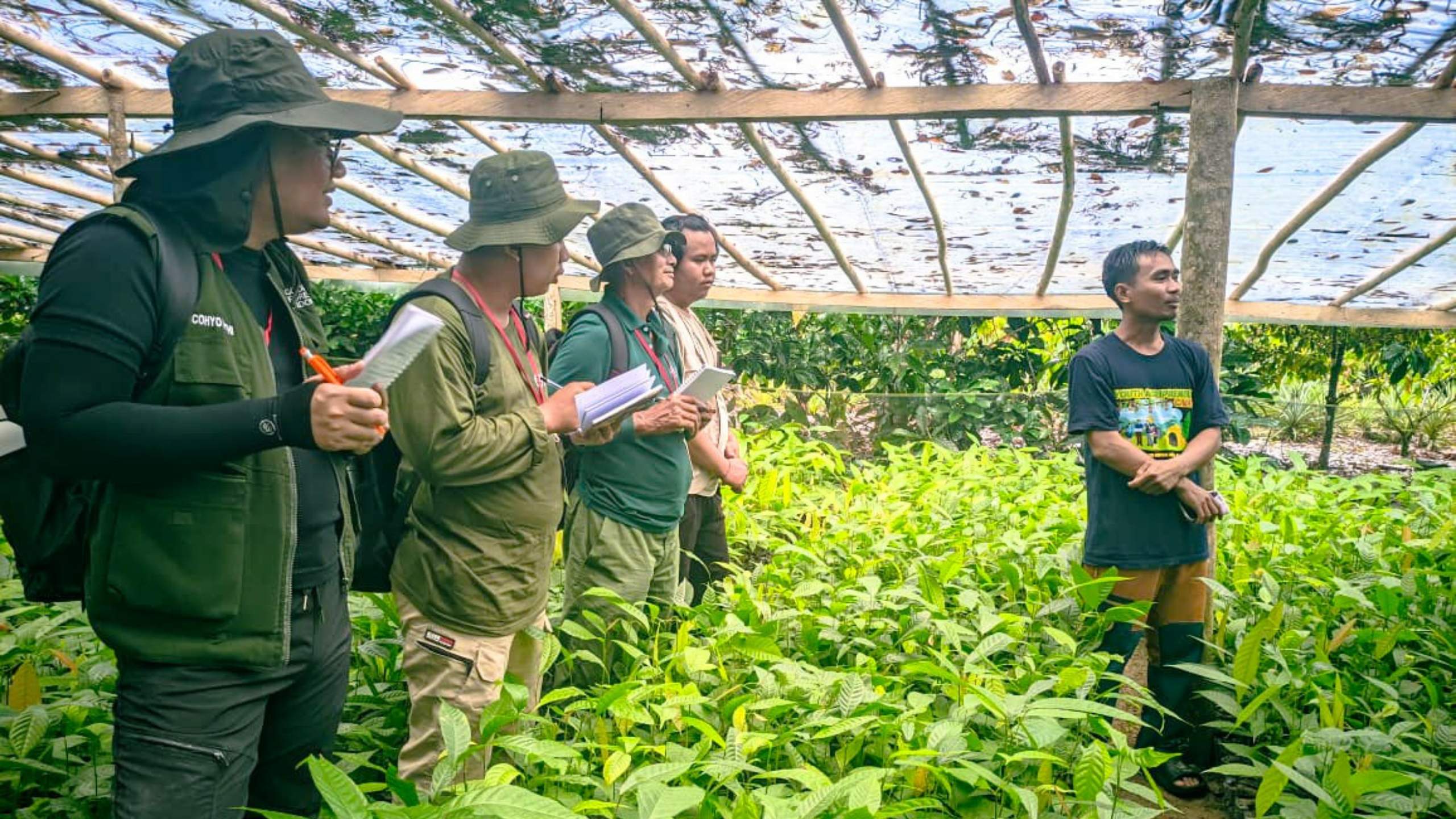
During three-week learning visits for each batch, field staff and farmers received both theoretical and practical training. Participants had the opportunity to gain first-hand exposure to cocoa cultivation technologies and practices that are not yet widely accessible to farmers in Central-Kalimatan.
Turning Knowledge into Long-Term Impact
We believe that capacity building does not end when a training program is completed. The true impact begins when knowledge is applied and shared. These trainings will support the field team in providing better assistance to farmers and strengthening the implementation of sustainable agroforestry practices.
“I would like to express my sincere gratitude to GFI for facilitating my participation in the training at MARS Academy. I gained a lot of valuable knowledge from the training, which motivated me to develop various innovations on my farm, especially to build a sustainable farm both environmentally and economically. I am positive that with GFI’s guidance and support, I can apply the understanding I have gained and create something beneficial not only for myself, but also for the people around me.”
— Prianto, Cocoa Farmer
Every lesson learned, every skill developed, and every farmer empowered contributes to a larger vision: creating healthier landscapes supported by communities with the knowledge and confidence to protect and restore the environment.