
Agroforestry Instead of Deforestation: A Look at How Sustainable Change Is Emerging in the Jubiya Central Forest Reserve
Uganda’s rapid population growth is driving increasing demand for firewood and agricultural land — putting the country’s forests under immense pressure. Forest areas are disappearing at an alarming rate, threatening not only biodiversity but also the livelihoods of many people.
In the Jubiya Forest on the shores of Lake Victoria in central Uganda, charcoal production and the expansion of farmland by crop farmers and livestock herders are further intensifying the situation.
The Jubiya Central Forest Reserve covers more than 4,500 hectares and is known for its exceptionally high biodiversity. Around 10,000 people live in the surrounding villages bordering the protected area. Effectively combating deforestation here requires close and constructive collaboration with the affected communities.
In this complex setting, Fairventures focuses on restoring degraded forest areas in combination with sustainable approaches that strengthen local communities’ income opportunities and wood production. Within the Postcode Project, trees are being planted and smallholder farmers are trained. In addition, other projects – such as workshops on honey production – are being implemented.

A big thank you to the Deutsche Postcode Lotterie!
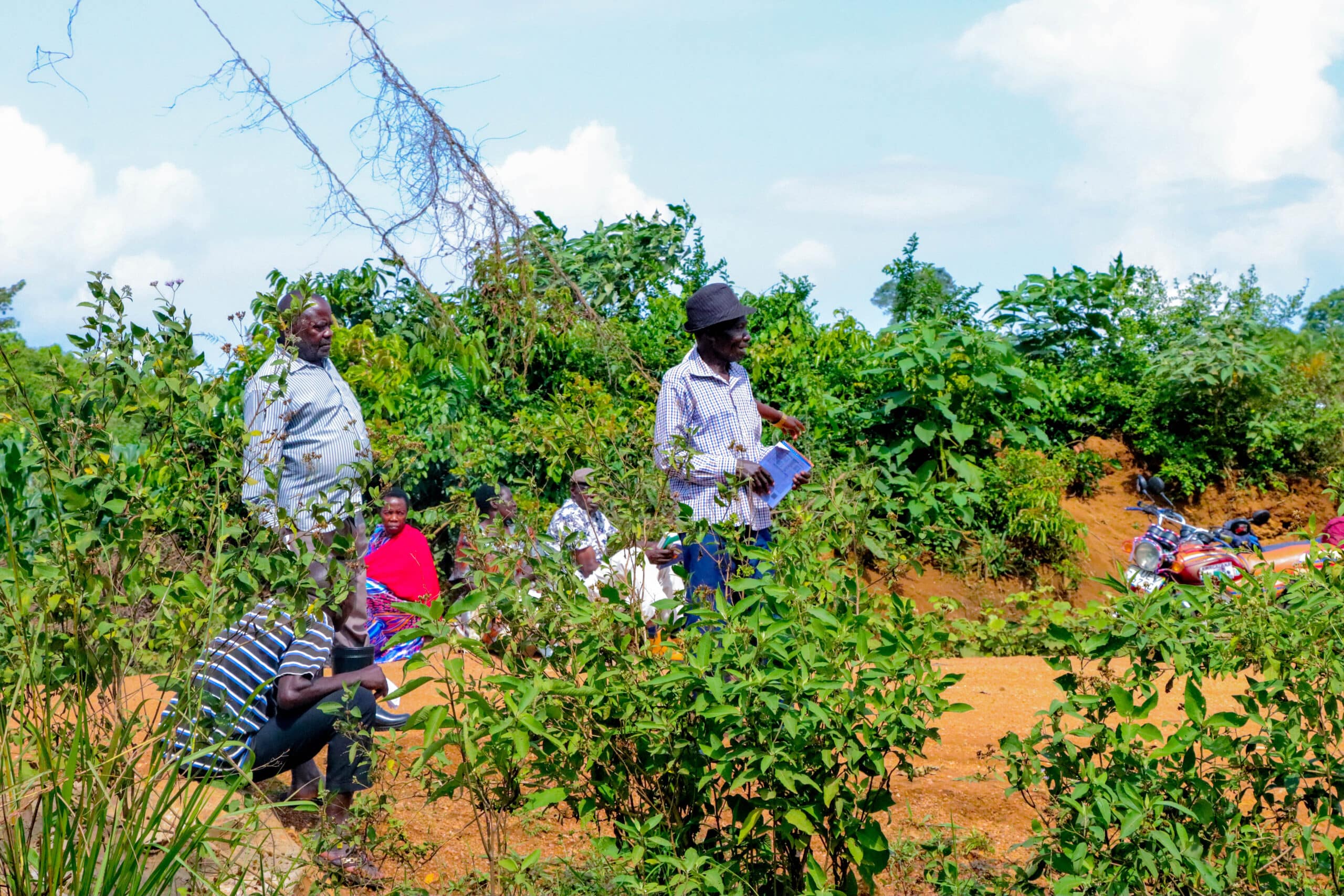
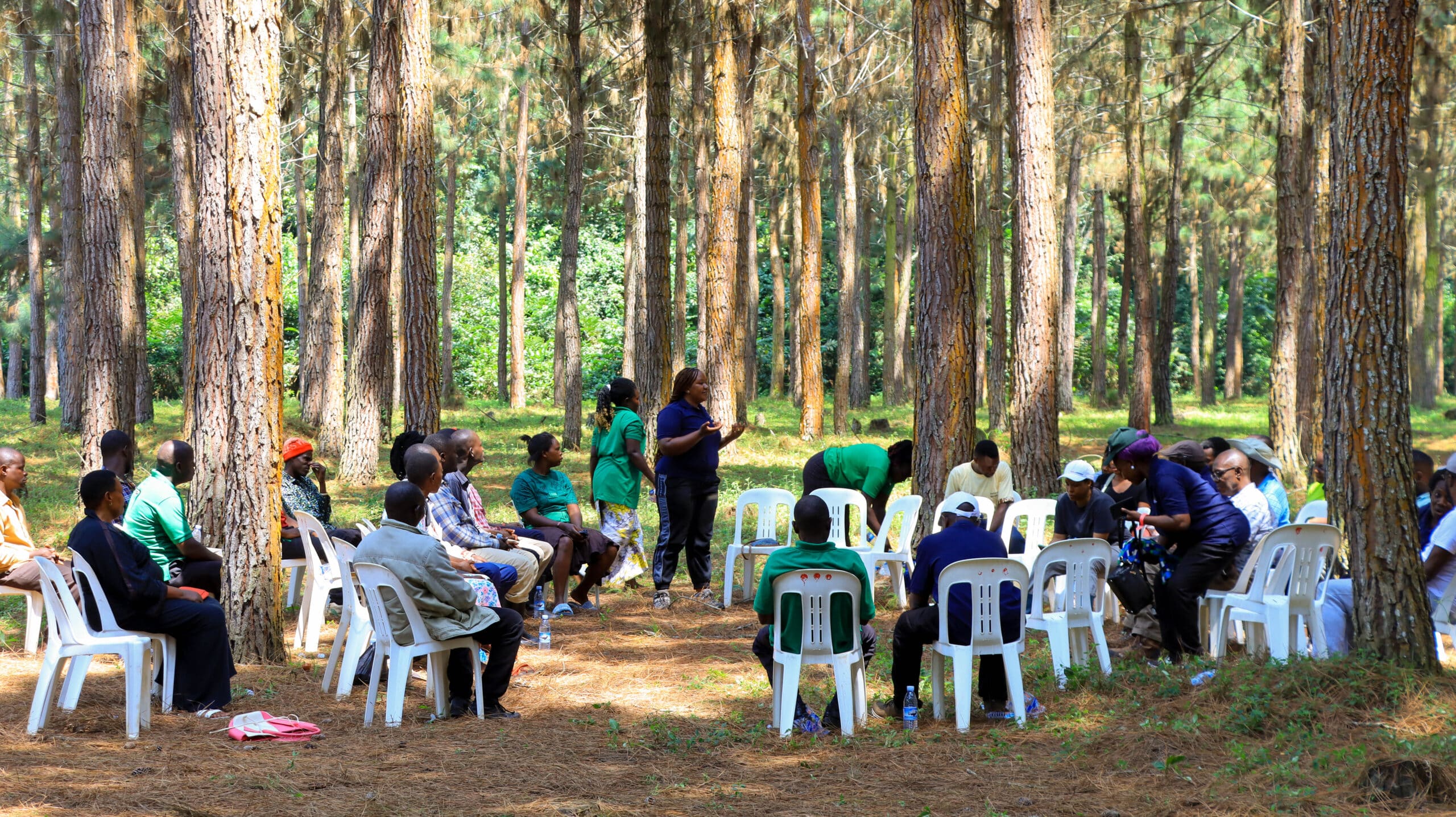
Thanks to the support of the Deutsche Postcode Lottery, Fairventures was able to train and empower more than 300 smallholder farmers. Farmer Field Schools were carried out, focusing on practical measures for forest restoration. During these sessions, farmers meet directly in the forest and receive hands-on demonstrations of the techniques that lead to the best results when planting trees. In the next step, the group applies what they have learned. This ensures the knowledge is not just theoretical but becomes firmly anchored through practice.
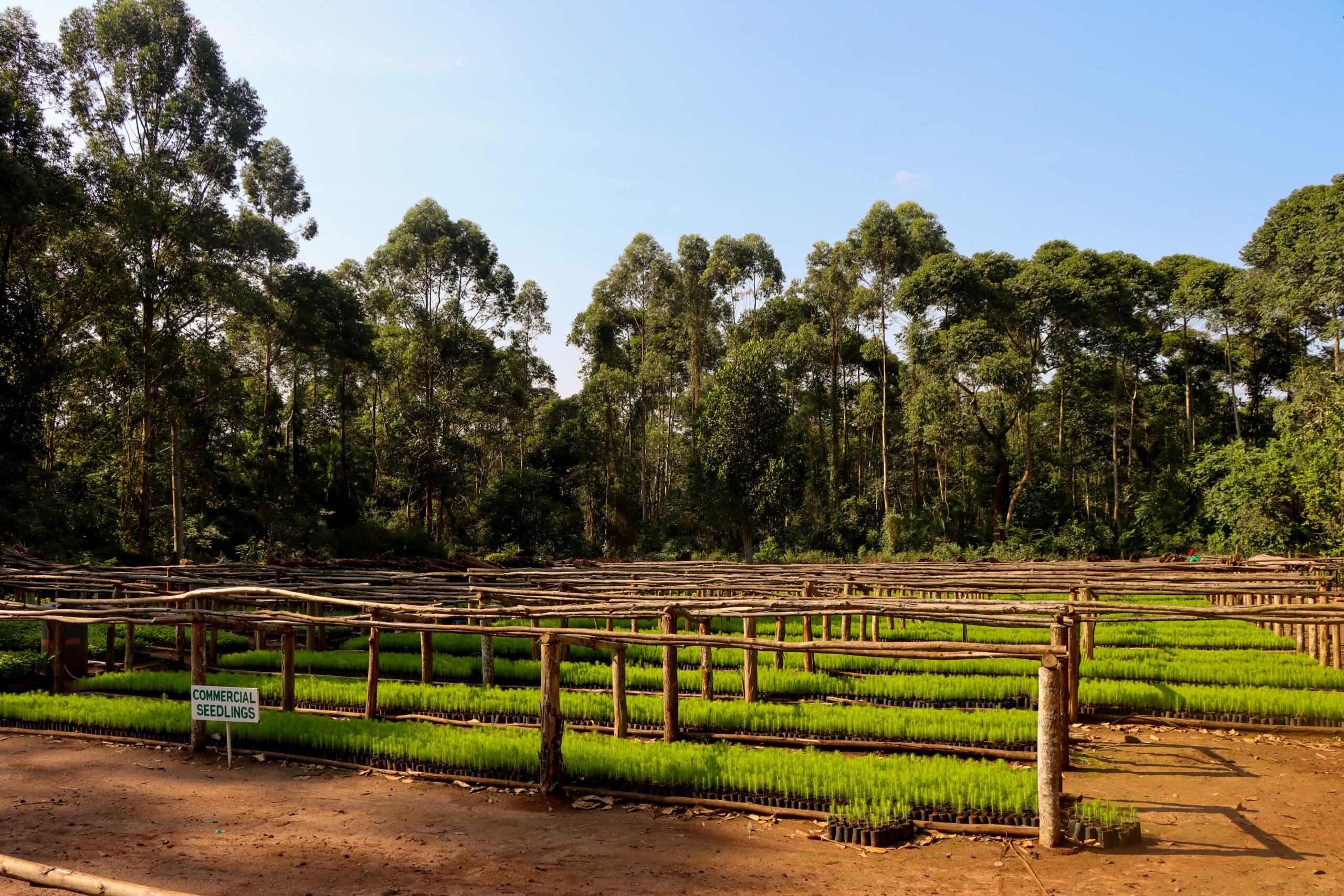
The seedling production was successful, and the distribution to smallholder farmers took place without any complications at the beginning of the rainy season in September. By that time, more than 80,000 seedlings had already been distributed, and many more are still in the nursery awaiting distribution soon.
From Dialogue to Action: Community-Led Reforestation
FVW is convinced that lasting and meaningful change can only be achieved by closely involving the people who live in the project area. One major success during the project period was the establishment of a steering committee made up of community members with an equal gender balance. Monthly trainings and regular meetings of the committee created transparency, encouraged exchange and enabled active participation.
Despite unpredictable rainfall, the reforestation activities achieved promising results.
Community members expressed their appreciation for the positive impacts on both the health of the forest and the livelihoods of households. Charcoal production has decreased, illegal activities have been reduced, and interest in cultivating tree species with medicinal properties, such as Prunus africana and Canarium schweinfurthii, is growing. Building on this momentum, FVW plans to provide additional seedlings of these species to interested households.
Stronger Together: Livelihoods That Restore Forests
With the understanding that poverty is a key driver of deforestation, communities advocated for diverse income opportunities, such as agroforestry, beekeeping, and training in energy-efficient cooking methods. In particular, they emphasized the importance of involving all age groups. The real success lies in the long-term change initiated by the project: a model for sustainable forest restoration, a resilient ecosystem, and above all, empowered communities actively committed to protecting the forests.

What started as a pilot project has grown into a collective effort. Local stakeholders are now taking responsibility for a greener and more sustainable future in Uganda. This approach could also be applied in other Central Forest Reserves across the country in the future.
About the Deutsche Postcode Lotterie
The Deutsche Postcode Lotterie is a social lottery, meaning that at least 30 percent of all ticket sales go to projects in the fields of equality of opportunity, social cohesion, and nature and environmental protection. Since its establishment in Germany in 2016, the Postcode Lottery has supported around 6,500 social and green projects with more than 325 million euros. A board chaired by Sabine Leutheusser-Schnarrenberger and Prof. Dr. Rita Süssmuth decides which projects are supported. More information is available at: https://www.postcode-lotterie.de/guter-zweck.